01
Receptor discovery
We comb through the diversity of life to find the receptors that decide what a cell recycles — then work out, in detail, exactly how they do it.
We study how autophagy — the cell's own recycling system — evolved across life, and how it keeps organisms healthy when things get stressful.
Almost everything we know about cellular quality control comes from a handful of lab organisms. We take a wider view. By sampling the astonishing diversity of the eukaryotic tree of life, we find autophagy pathways no one has seen before — then work out how they actually work, using imaging, biochemistry, and genetics. It's cell biology with an evolutionary heart, and it keeps surprising us.
Selective autophagy captures damaged or unwanted cargo in a growing double membrane, packages it, and delivers it for recycling — a journey our lab has helped map, including the discovery that plant autophagosomes mature into amphisomes before reaching the vacuole.
← swipe to follow the pathway →
Original illustration, after Zhao et al., J. Cell Biol. 2022.
Autophagy is the cell's recycling crew: it grabs damaged or unwanted parts and breaks them down so the cell stays healthy and in tune with its surroundings. Here's where we dig in.
We comb through the diversity of life to find the receptors that decide what a cell recycles — then work out, in detail, exactly how they do it.
Building on our discovery of the conserved receptor C53 and its regulation by the enigmatic UFMylation pathway, we combine evolutionary cell biology, RNA biochemistry, and omics to illuminate UFMylation's hidden roles.
How do cells keep each of their organelles healthy? Our discovery that cell-wall damage induces ATG8ylation of the tonoplast — a non-canonical form of autophagy — is one entry point into how quality-control pathways safeguard the vacuole, ER, chloroplasts, mitochondria, and beyond.
Using tools we've developed, we investigate how specialized autophagy pathways differ between cell types and coordinate to sustain whole-organism homeostasis under diverse stresses.
Selected figures from our open-access (CC BY) publications.
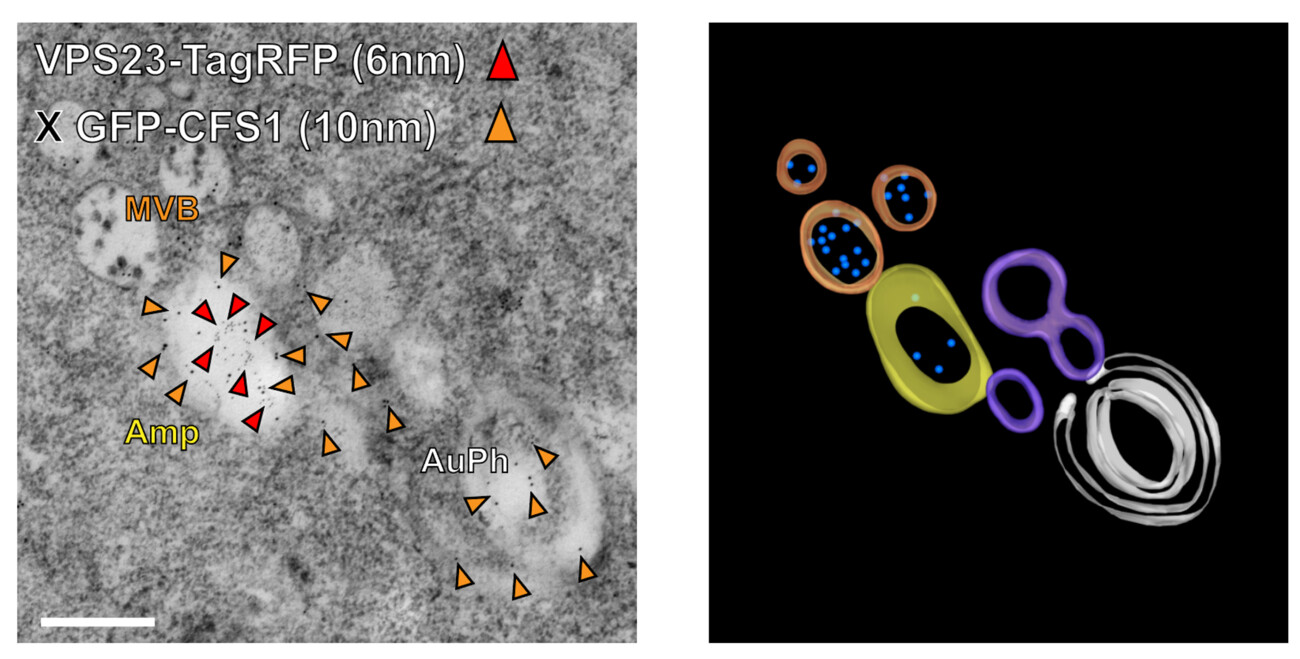
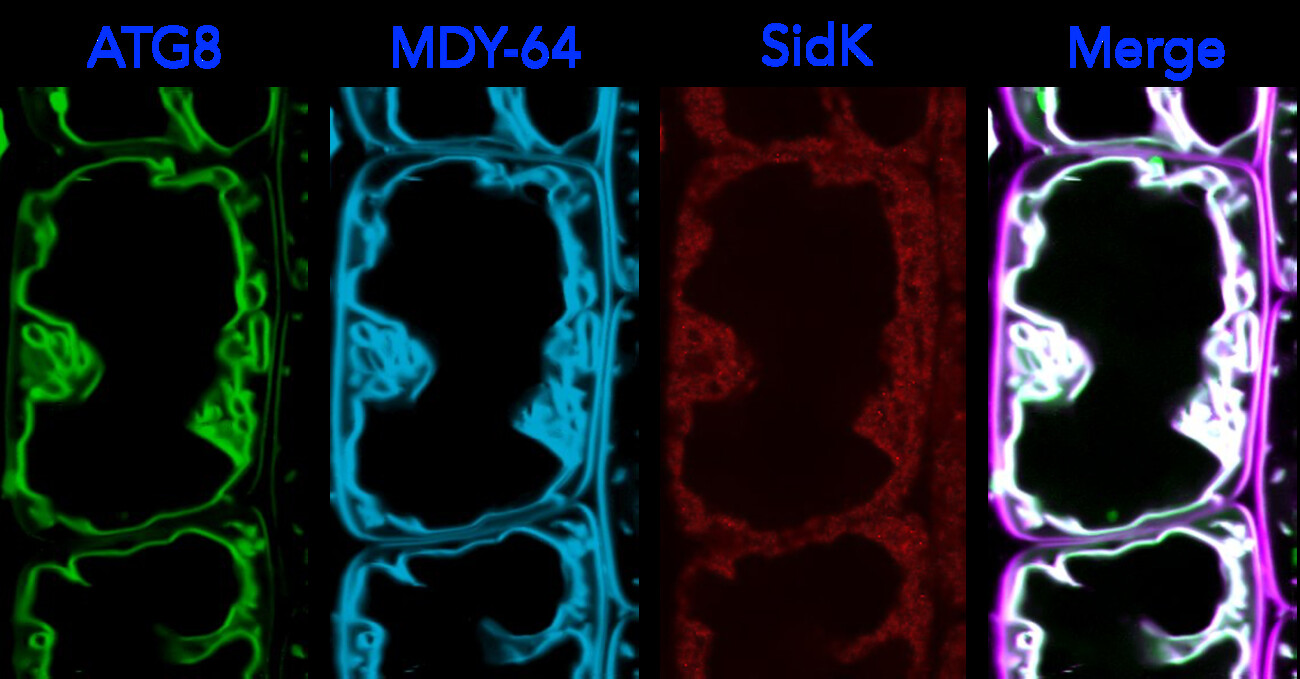
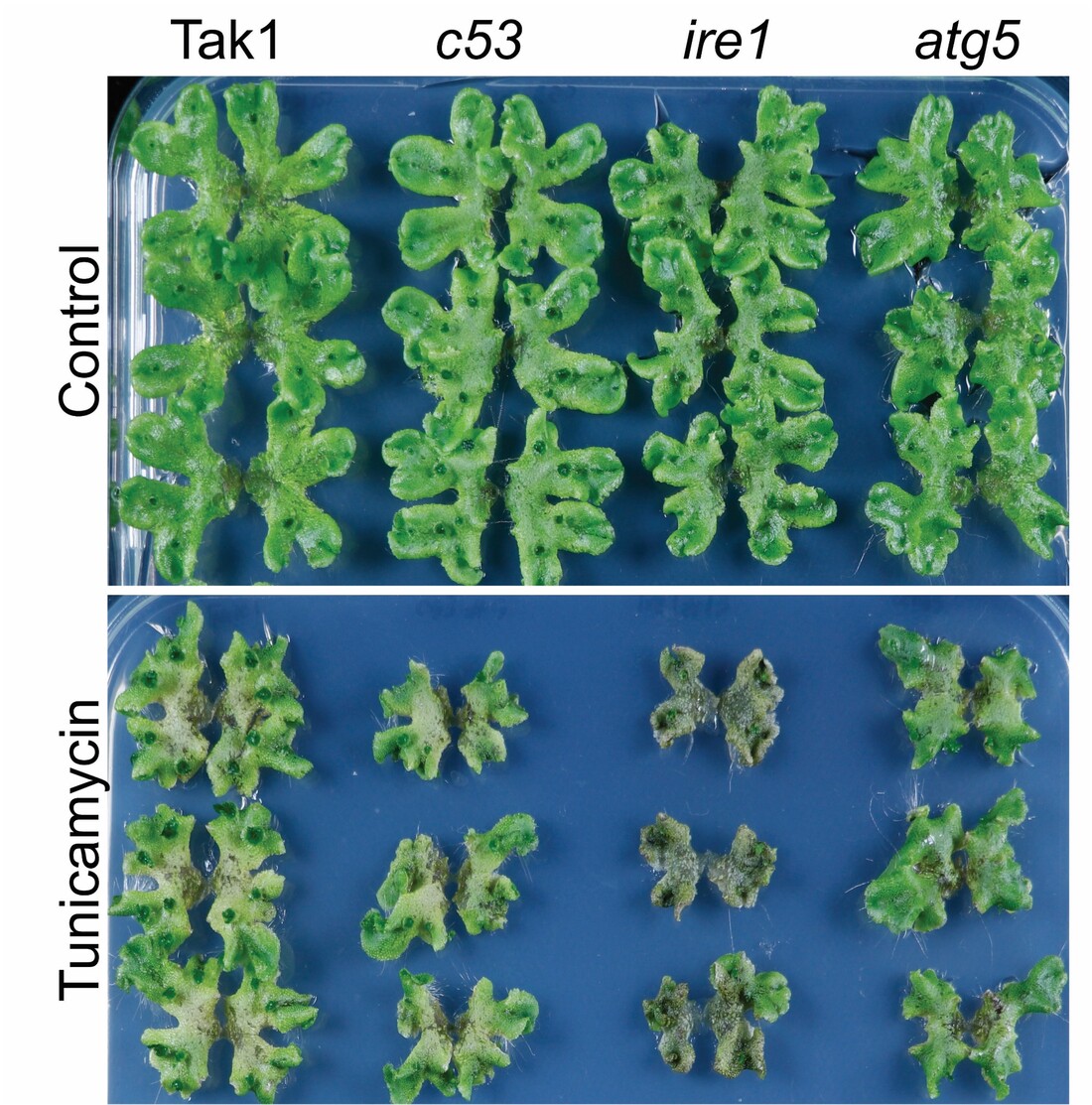
A selection of recent papers and preprints. The full, up-to-date list lives on Google Scholar.
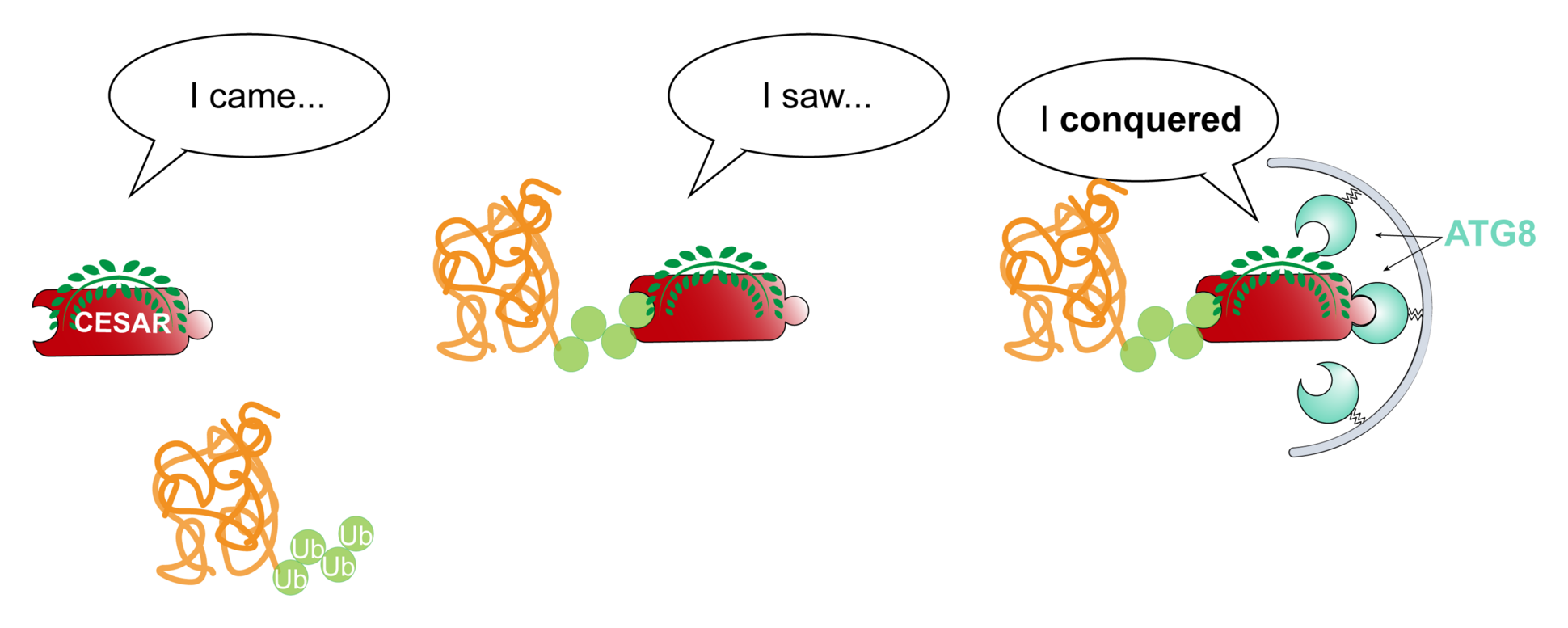
By comparing autophagy interactomes across species, we uncovered CESAR — a selective-autophagy receptor that recognises ubiquitinated protein aggregates and hands them to the ATG8-decorated autophagy machinery. This quality-control route is conserved across the plant lineage, and sits at the heart of our comparative, evolution-first approach.
Research highlights, awards, and milestones from the lab and its people.
Former Dagdas lab member Juan Carlos de la Concepción — now a group leader at ZMBP, University of Tübingen — has been awarded a prestigious ERC Starting Grant (up to €1.5 million over five years). His project, MORPHEUS, will dissect the molecular mechanisms plant cells use to enter and maintain dormancy — dialling down their metabolism to weather harsh conditions until better times return.
University of Tübingen ↗Former Dagdas lab member Jose Julián Valenzuela — first author of our study on ATG8ylation of the vacuolar membrane — has been awarded a prestigious FWF-ASTRA Prize 2026, worth roughly €1 million over five years. Now leading his own group at BOKU University, he will explore how "vacuolar quality control" lets plants cope with alkaline soils, studying model plants and climate-resilient crops such as quinoa to help build more resilient agriculture.
BOKU release ↗ · Julian Lab ↗When viruses attack, autophagy — the cell's cleanup system — helps plant cells survive by striking the balance between defence and growth.
Read more ↗Researchers at the GMI uncovered how proteins in plants can acquire new functions, driven by electrostatic forces.
Read more ↗The Biochemical Society recognized his research on how pathogens manipulate host cells.
Read more ↗"Group leaders at the GMI supported my application process to become a group leader," she reflects on her path.
Read more ↗Water-filled vacuoles provide the inner pressure plant cells need for structural support — and the lab shows how they're protected after cell wall damage.
Read more ↗Autophagy keeps cells clean from harmful components. The group studies how selective autophagy detects and recycles its targets.
Read more ↗The postdoctoral researcher and visiting scientist presented the lab's results at the international conference.
Read more ↗The collaborative research program securing continued support for protein degradation science.
Read more ↗The group leader was elected to the Young Academy of the Austrian Academy of Sciences.
Read more ↗An essential cellular quality-control mechanism that clears the cell of protein aggregates and damaged organelles.
Read more ↗A "hub and spoke" system enables plant cells to efficiently coordinate cellular trafficking and recycling.
Read more ↗Interns highlight the importance of minimal hierarchy, human connection, and purpose-driven work.
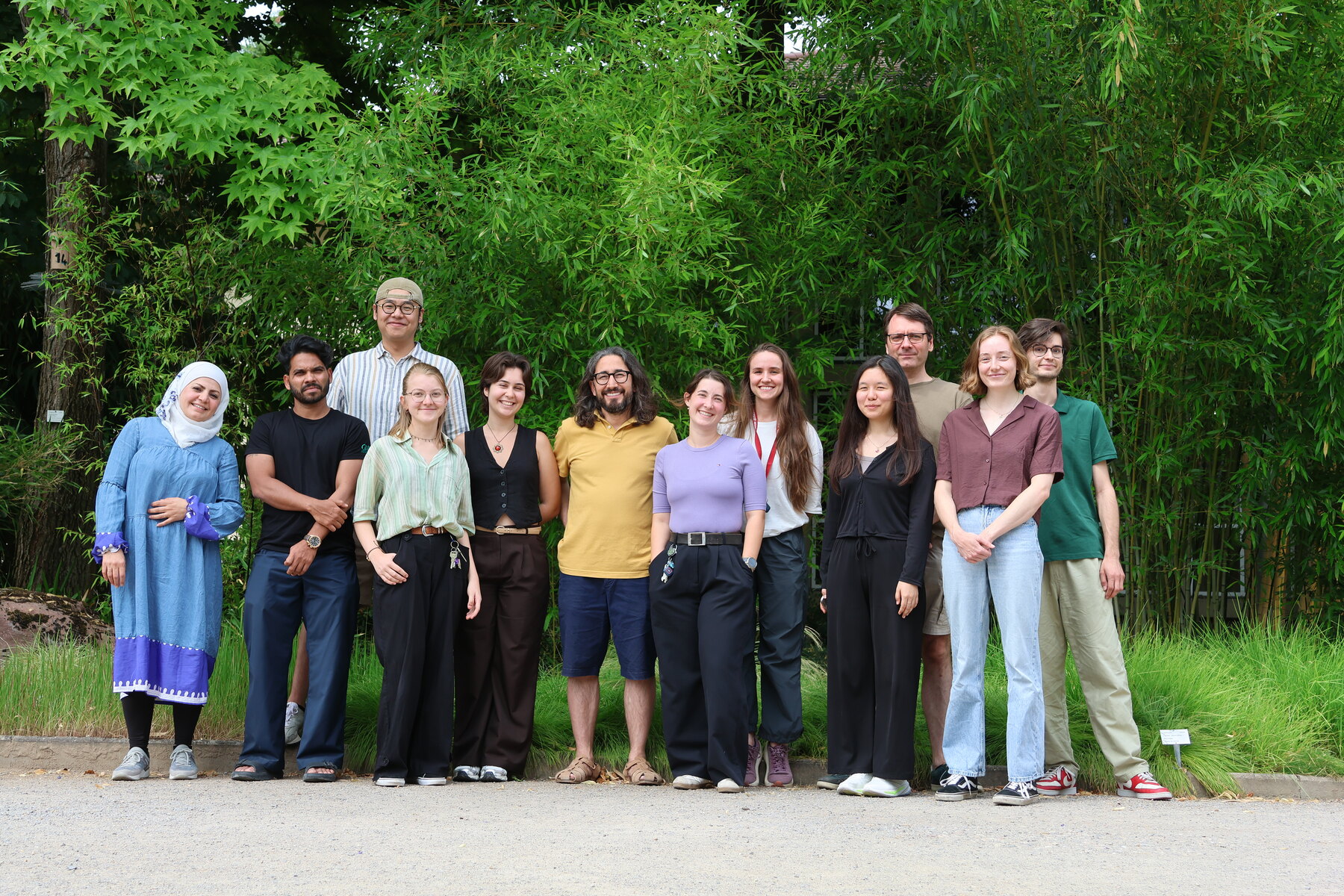
Read more ↗Cell biologists, biochemists, evolutionary biologists, and bioinformaticians who share a curiosity about how cells keep themselves alive.
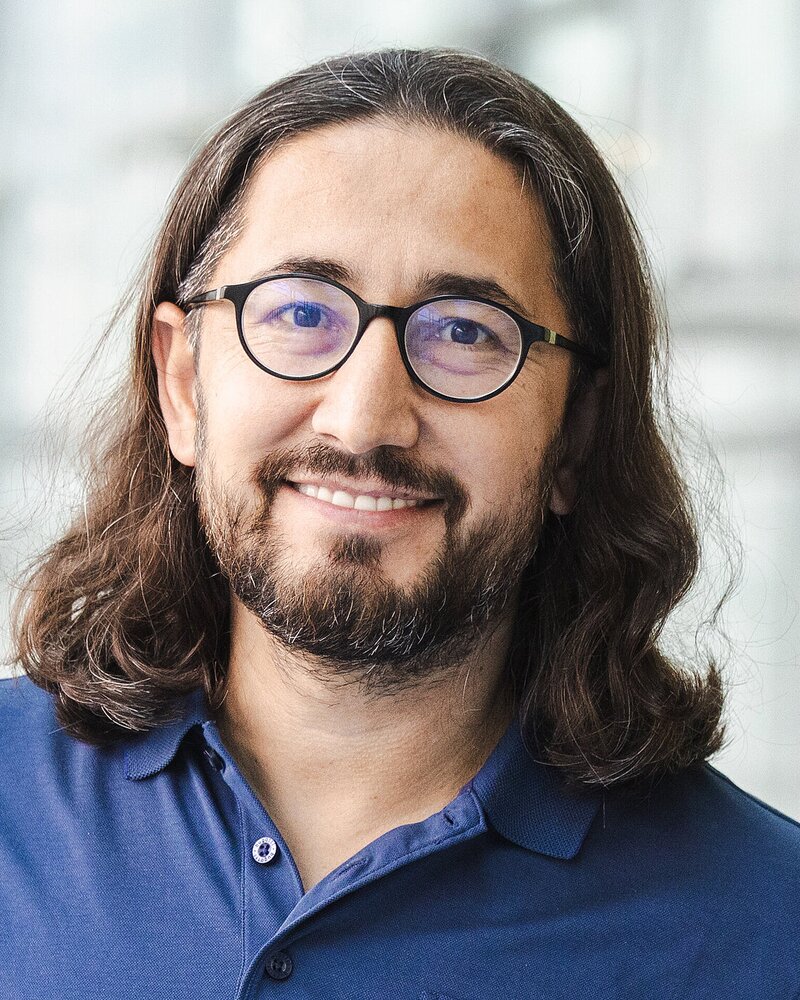
Professor of Evolutionary Cell Biology at Heidelberg University. My lab explores how cells stay healthy when life gets stressful — selective autophagy, proteostasis, and organelle quality control — and how these pathways evolved across organisms. Beyond the science, I care about building a supportive environment where people from different backgrounds can flourish.
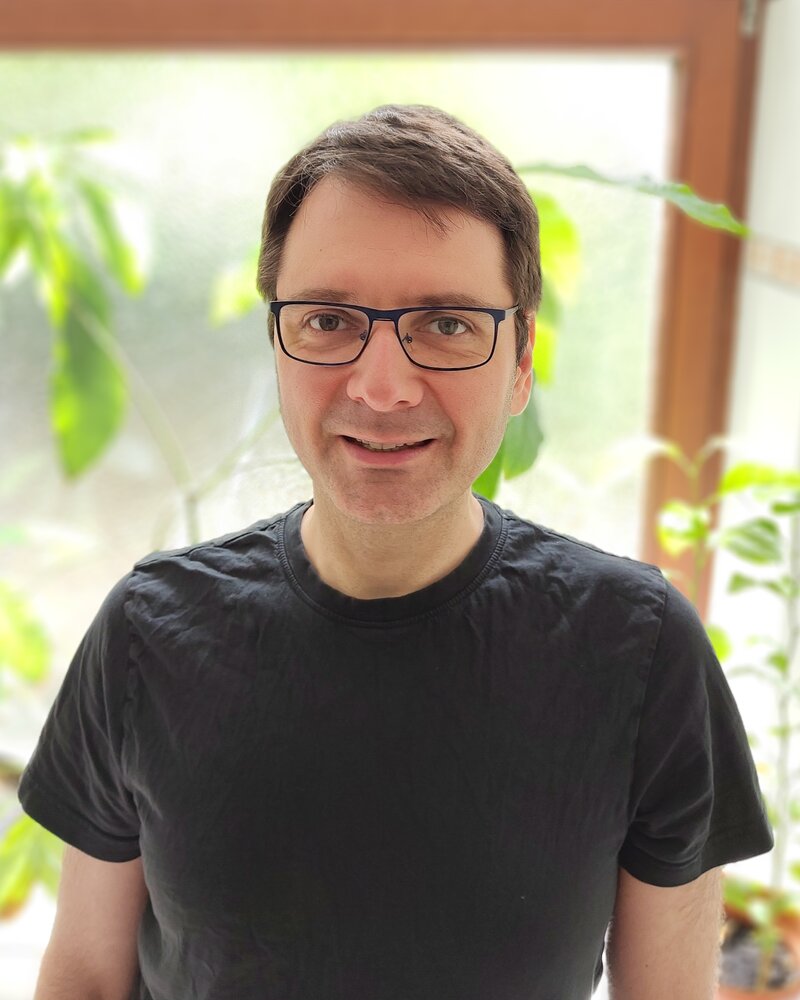
A biologist fascinated by the structure and function of molecular complexes, and how these relate to plant physiology and adaptation.
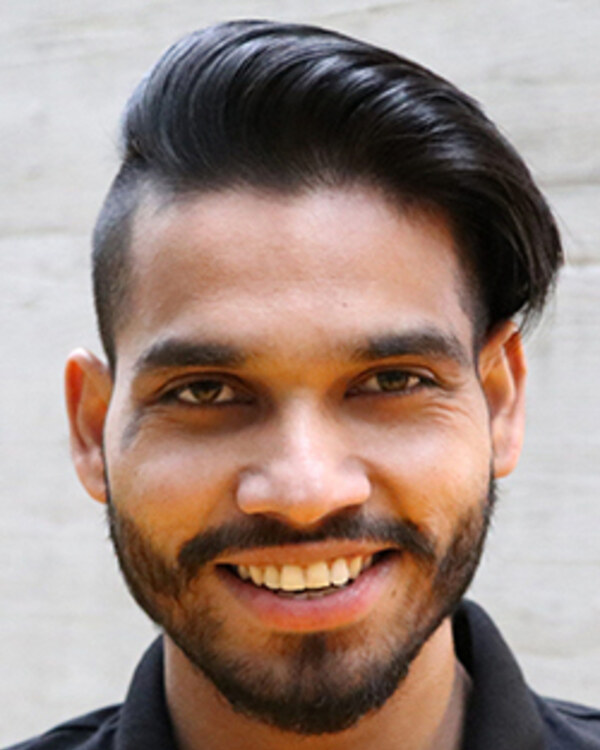
An experimental and computational biologist fascinated by the principles of gene expression. After studying nuclear gene regulation in his PhD, he now asks how expression is controlled in the cytosol and organelles — at the epitranscriptomic, translational, and proteostatic levels.
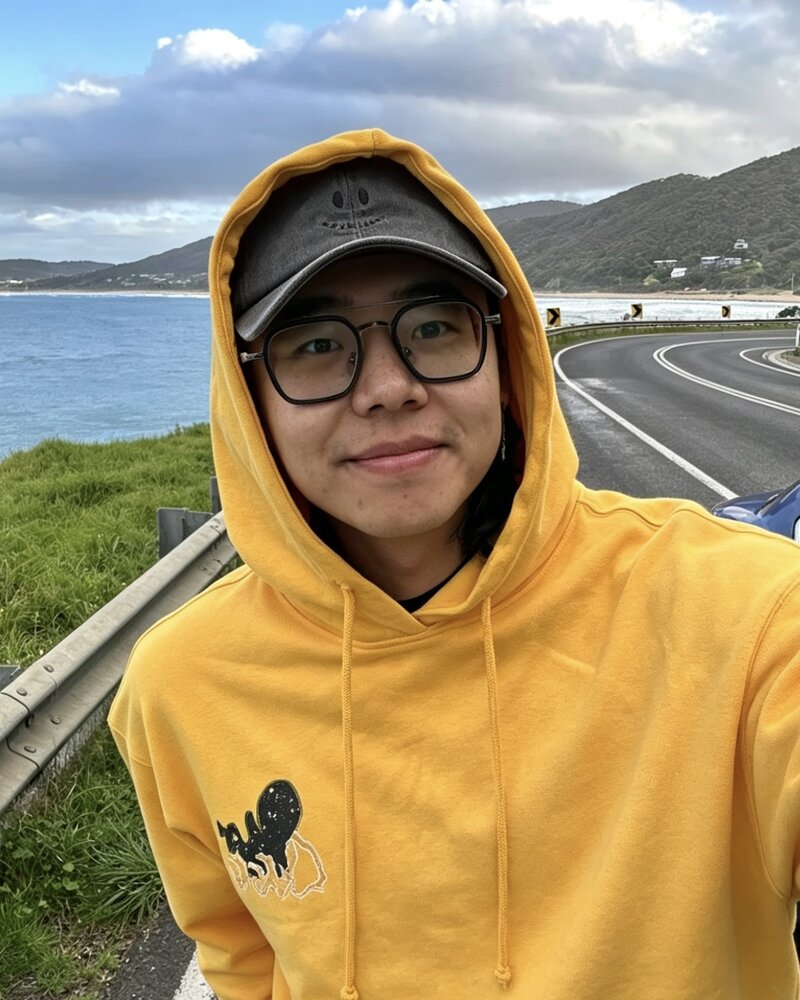
Studies the interplay between selective autophagy, organelle maturation, and ribosome-associated quality control.
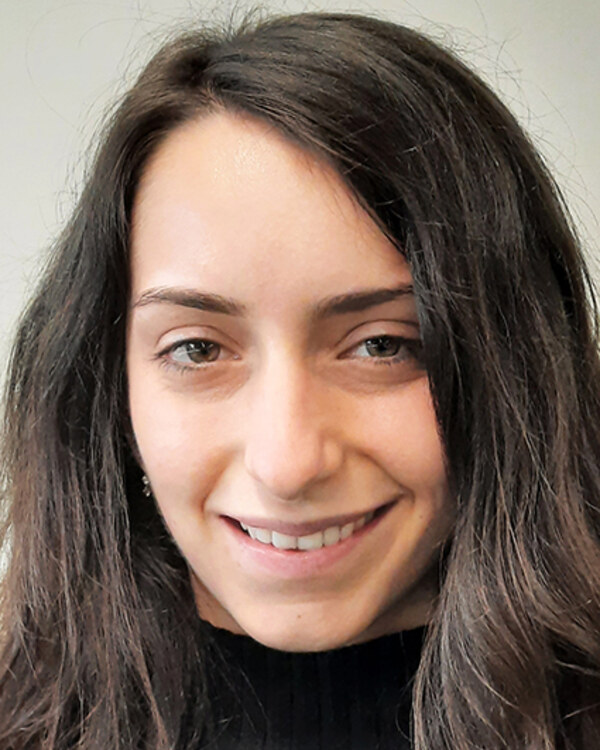
Studies the role of autophagy in plant tissue regeneration — testing the idea that autophagy is switched on to drive cellular reprogramming during regeneration.
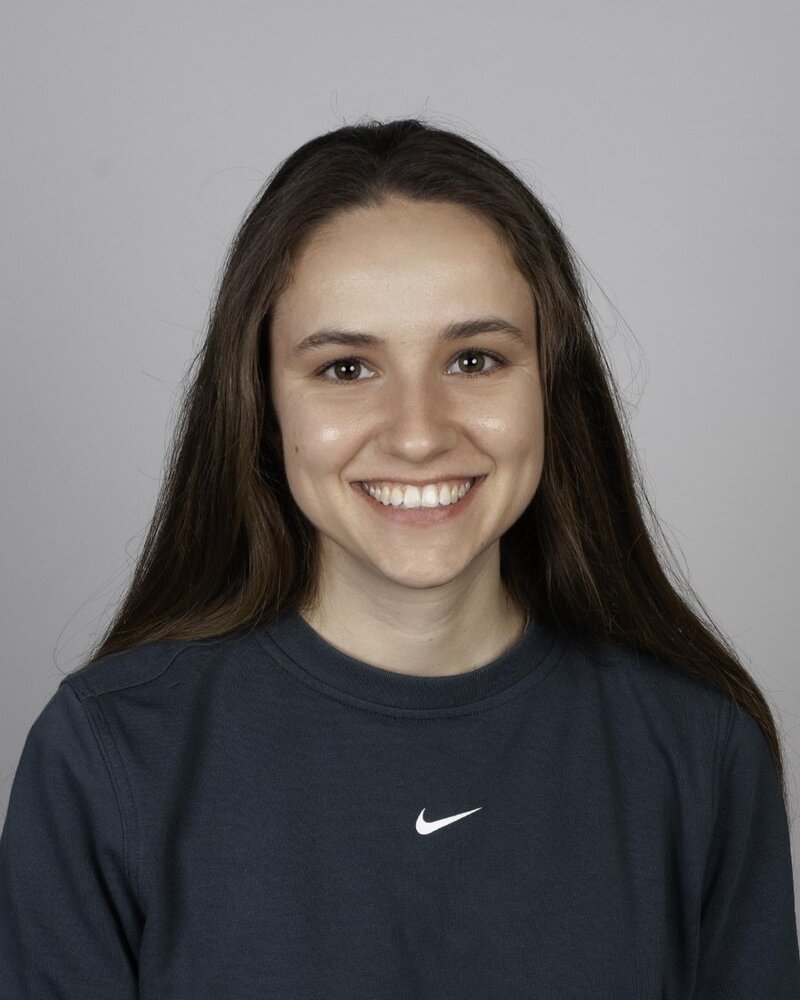
Grew up among the fields of northern Italy, so plant biology felt almost inevitable. She studies plant autophagy and uses evolutionary approaches to uncover how it emerged and diversified across the plant lineage.
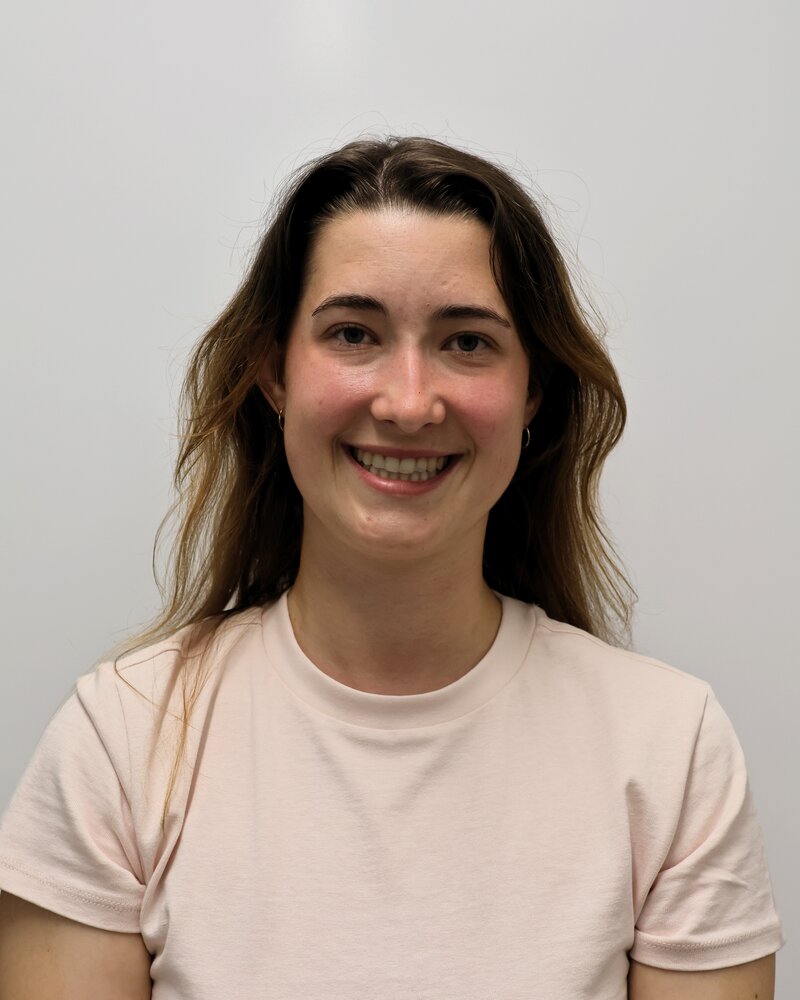
Joined after her studies in molecular and applied plant science at Heidelberg. She's interested in how autophagy helps plants cope with environmental stress, and how it shapes aging and regeneration.
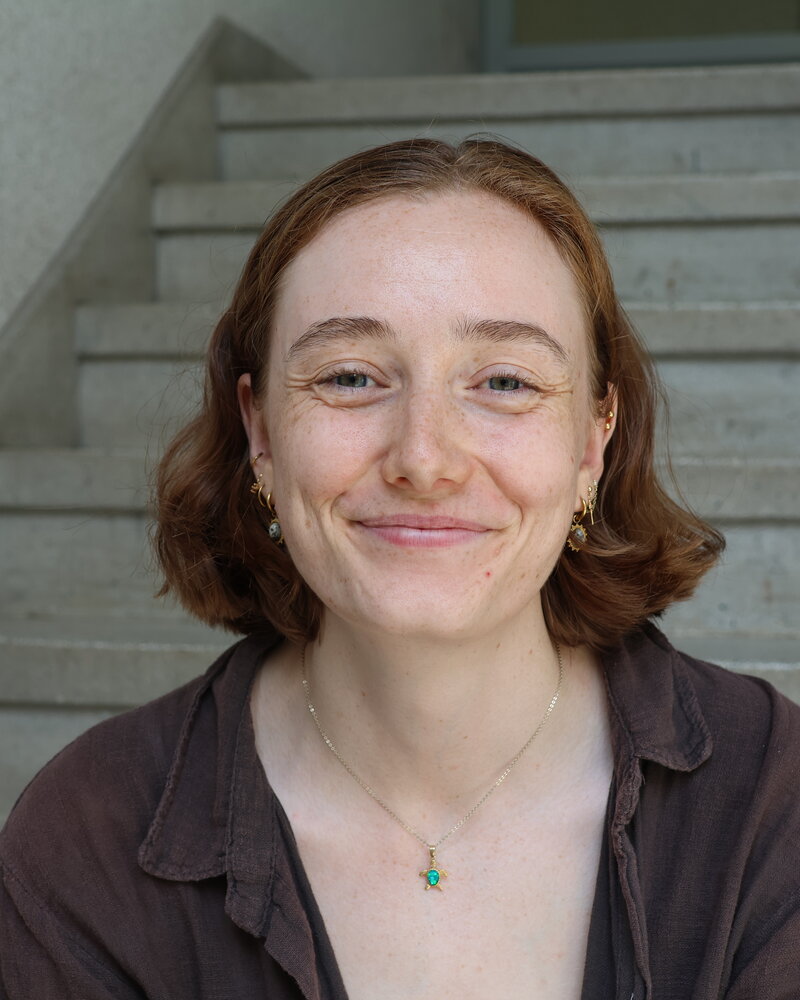
A biochemist trained at Martin-Luther-University Halle-Wittenberg (BSc & MSc), now studying plant autophagy and cell biology in the lab.
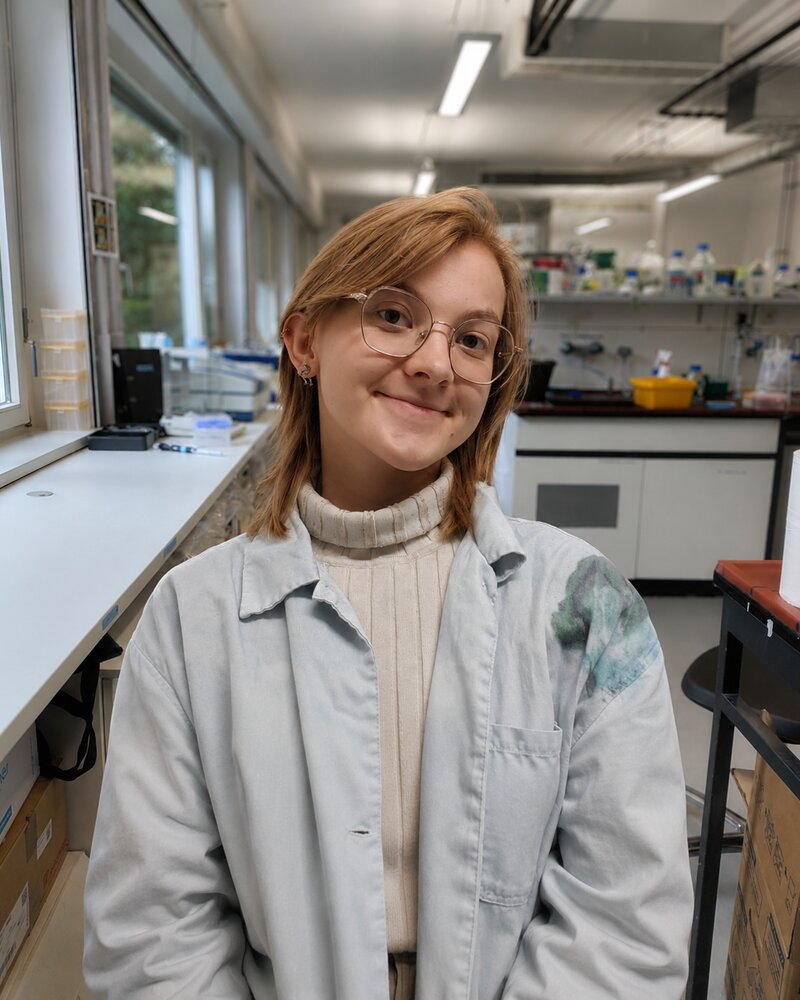
Her thesis maps protein interactions in the Arabidopsis autophagy network, identifying and validating partners of ATG8A through co-immunoprecipitation and computational approaches — to reveal new players in cellular recycling.
We're actively building this section. If you're a former member of the lab, let us know your current whereabouts and we'll update it.
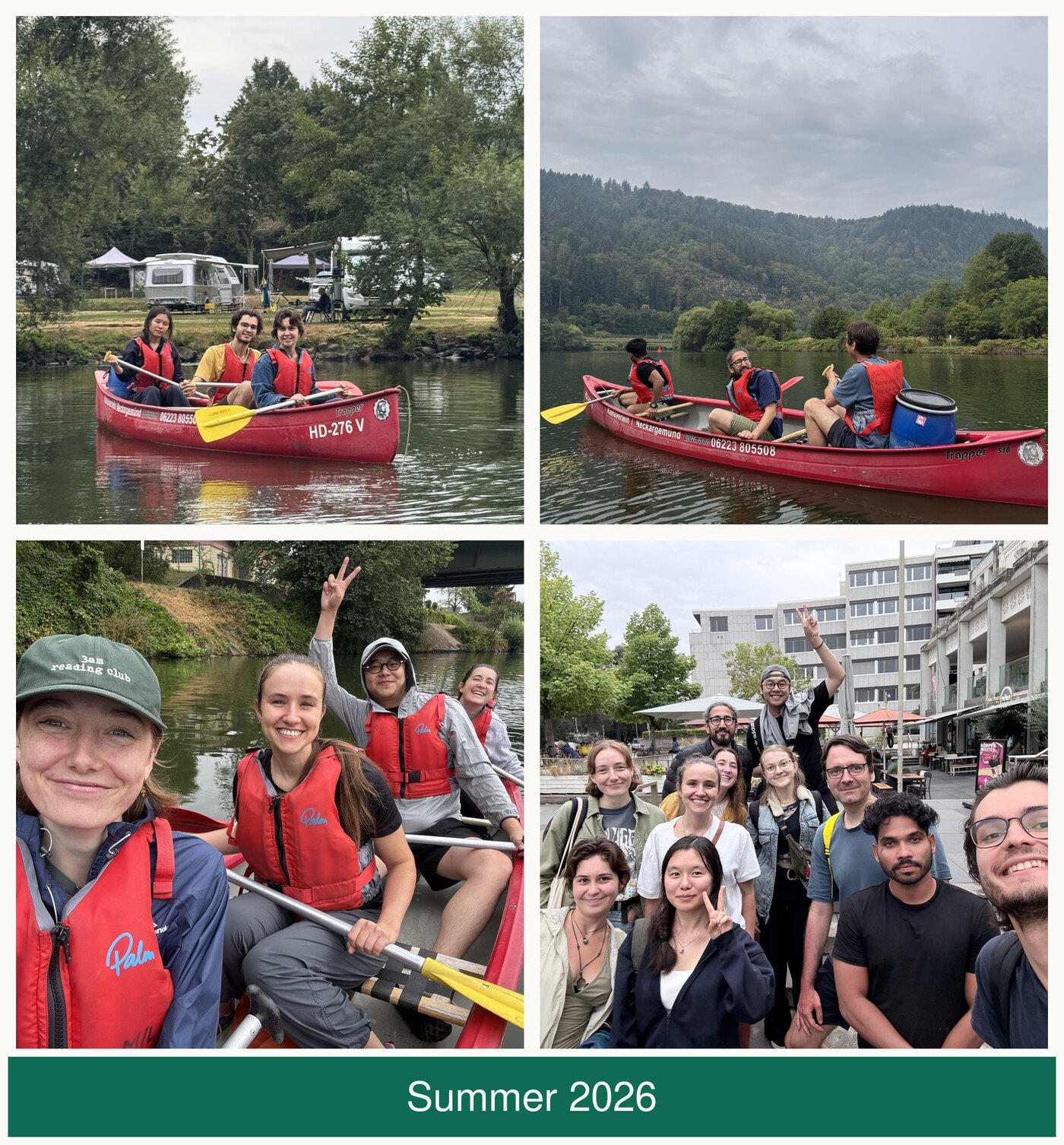
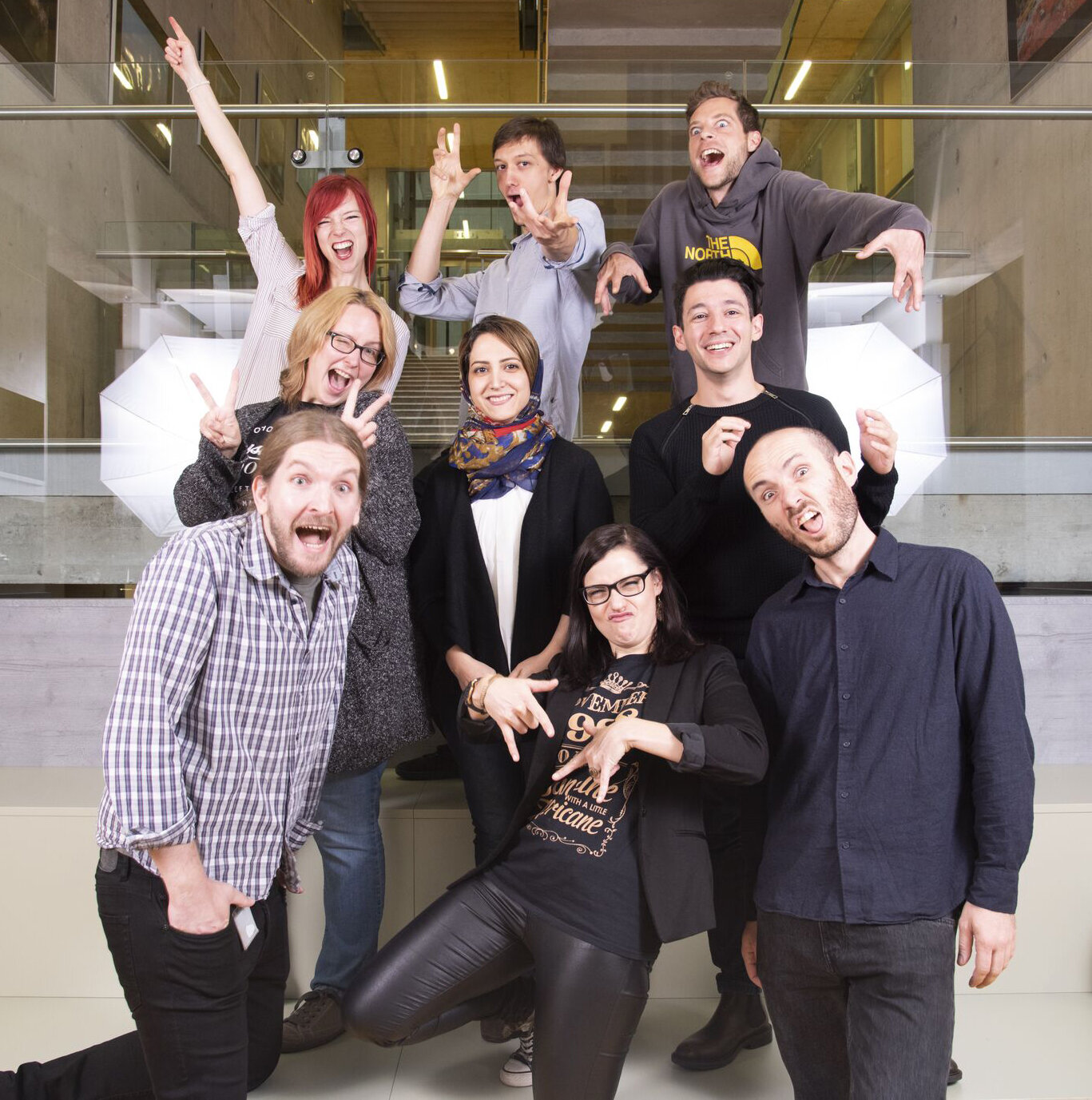
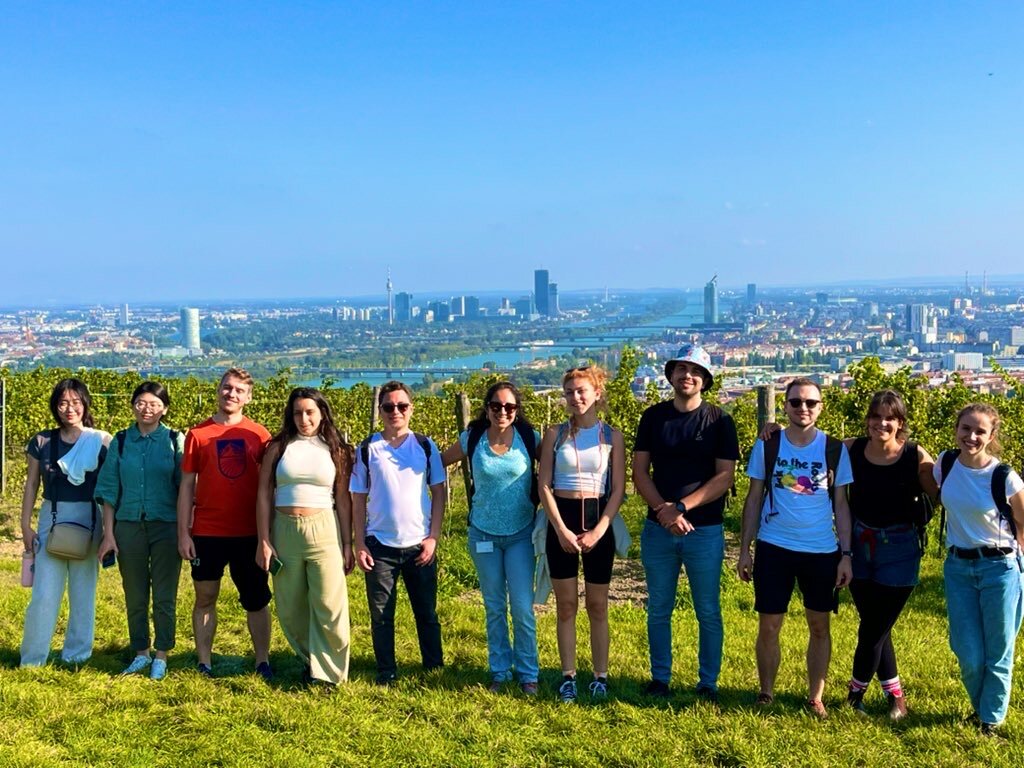
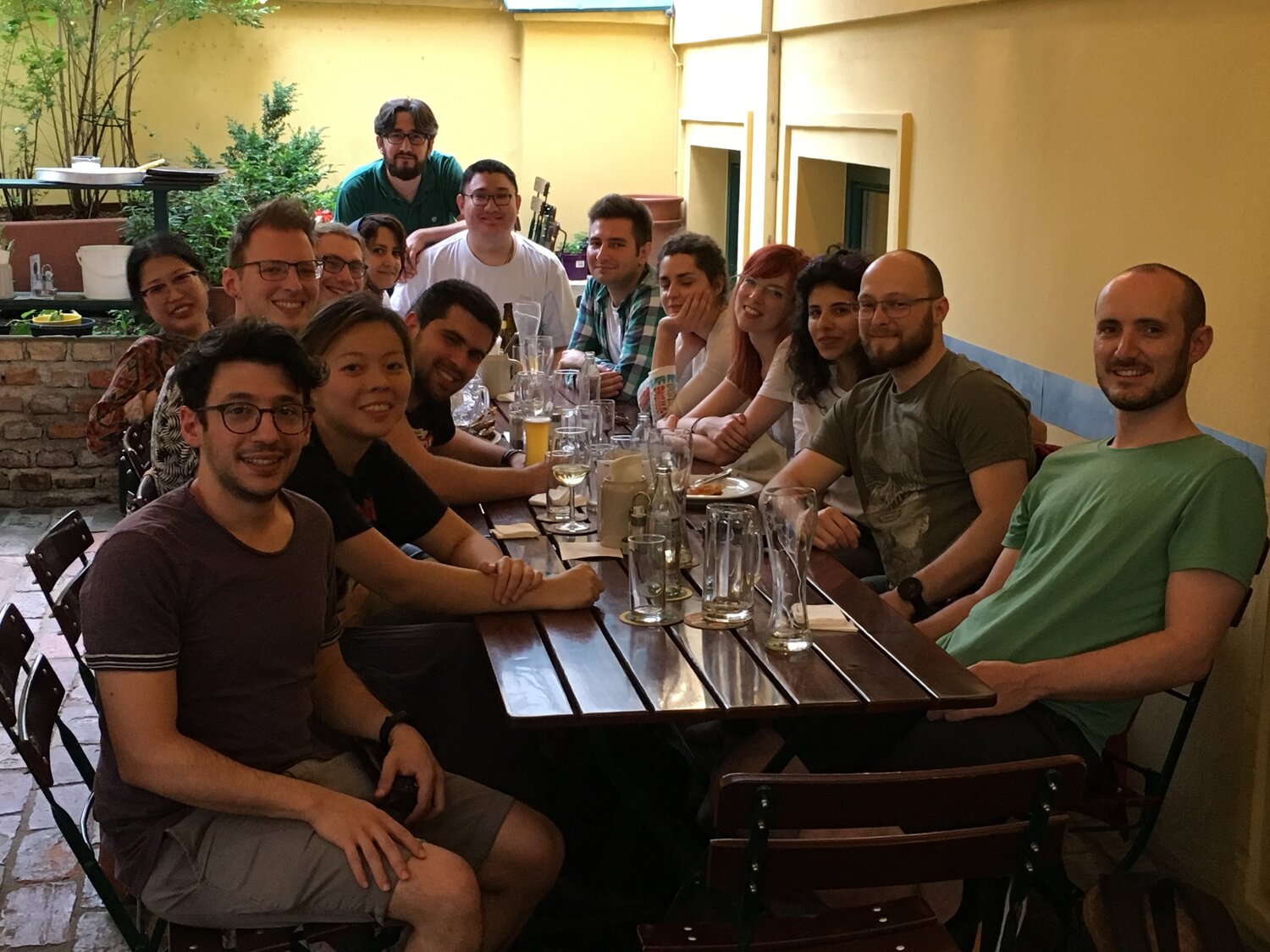
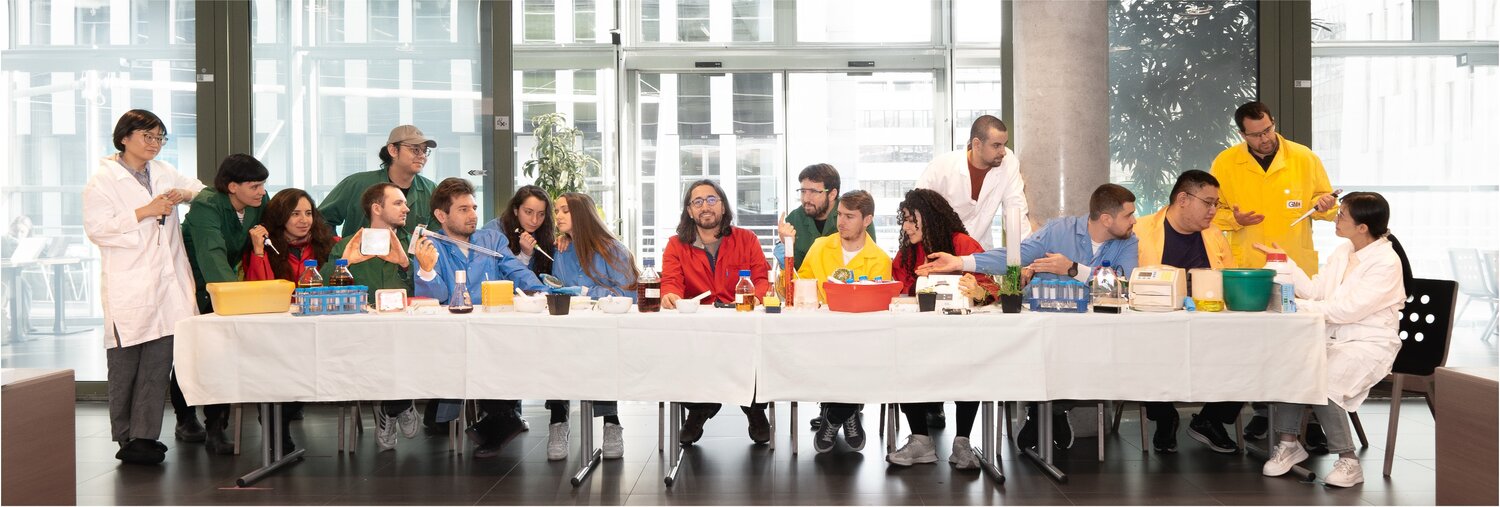
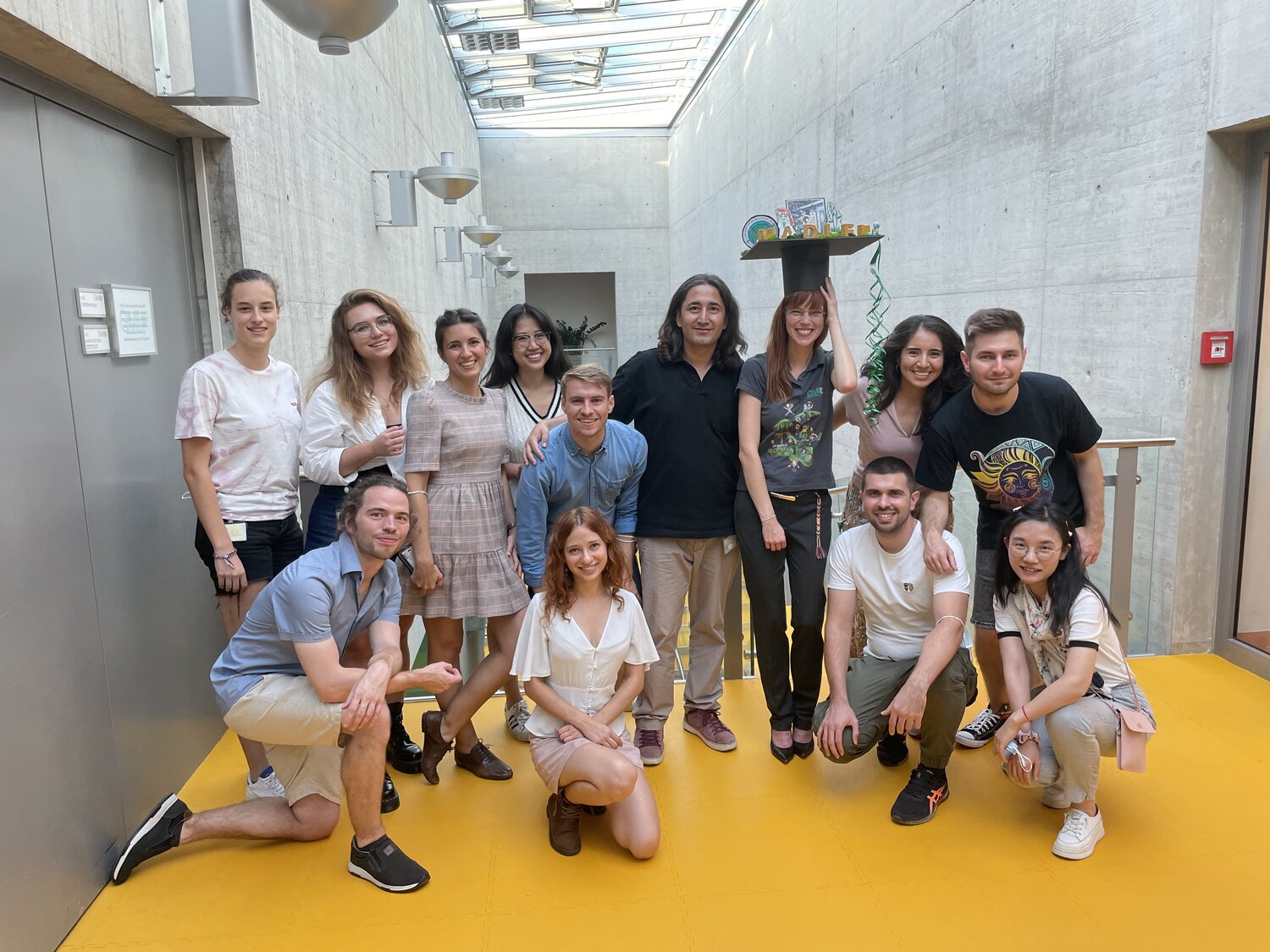
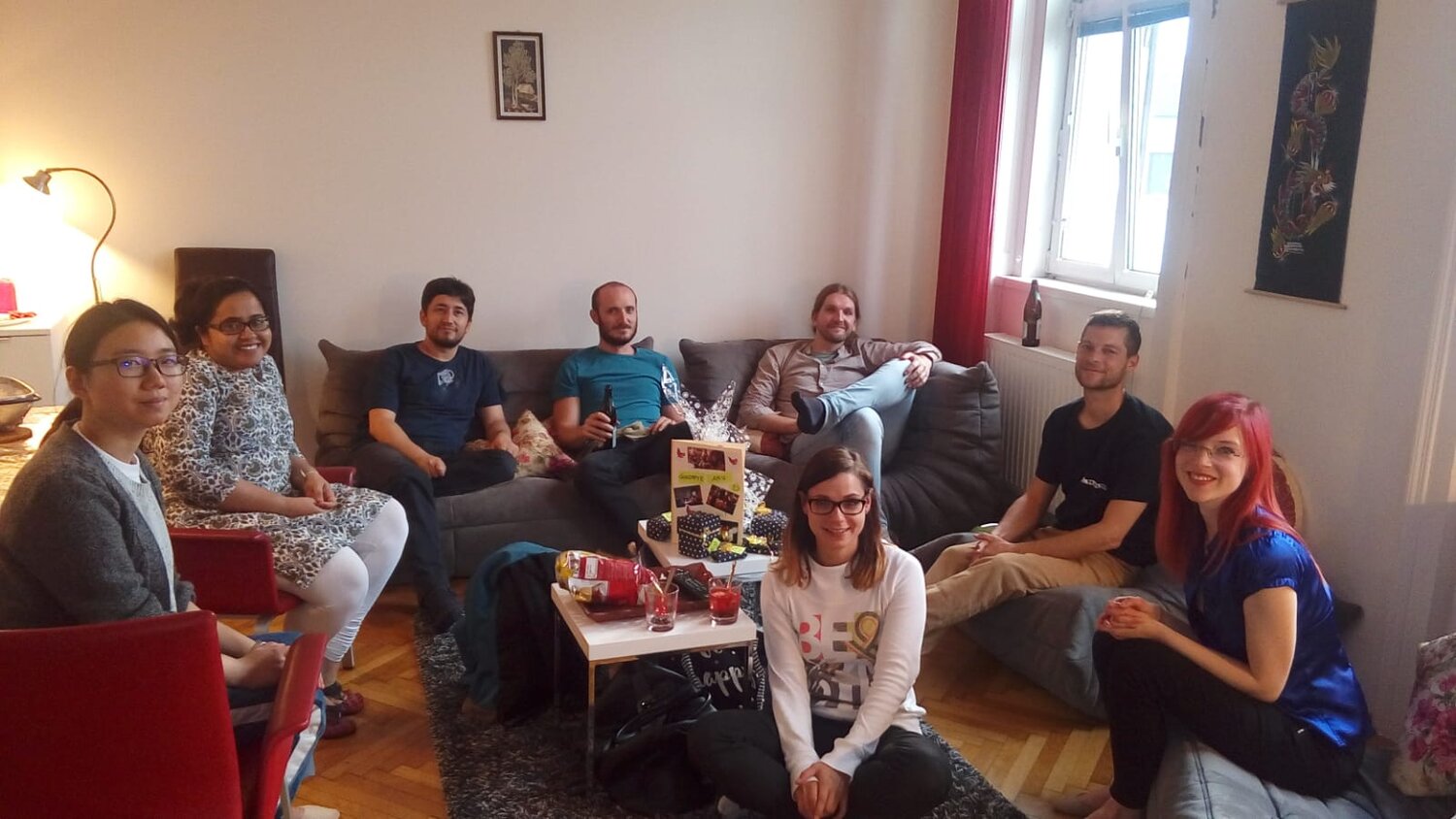
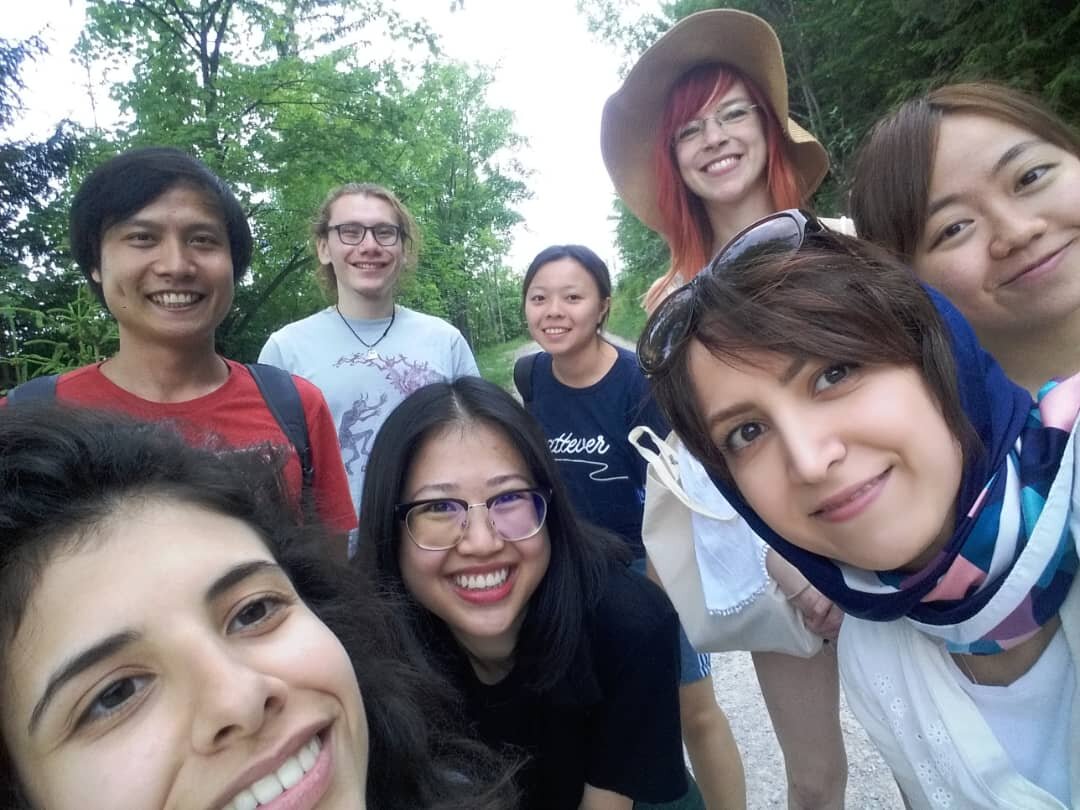
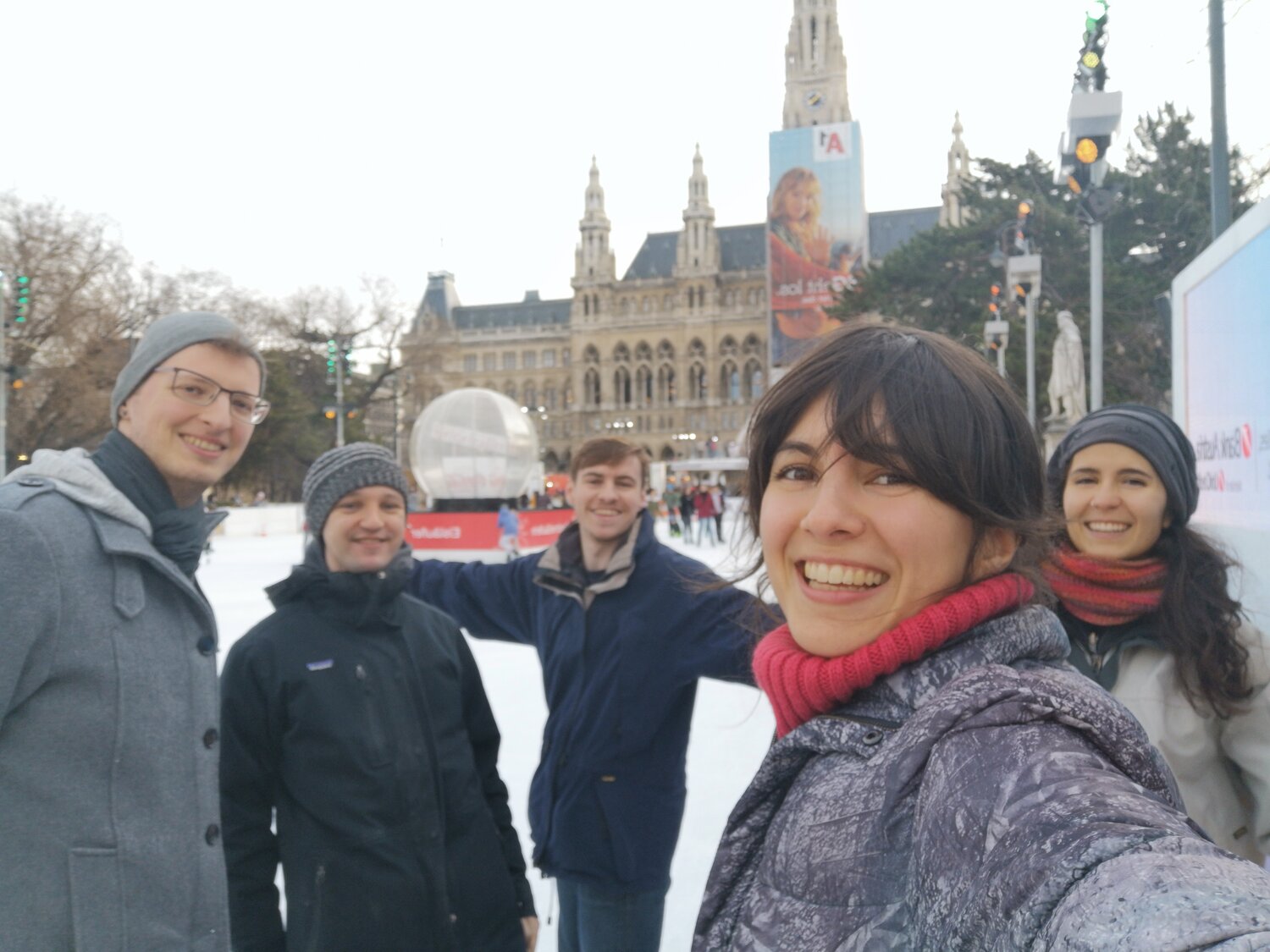
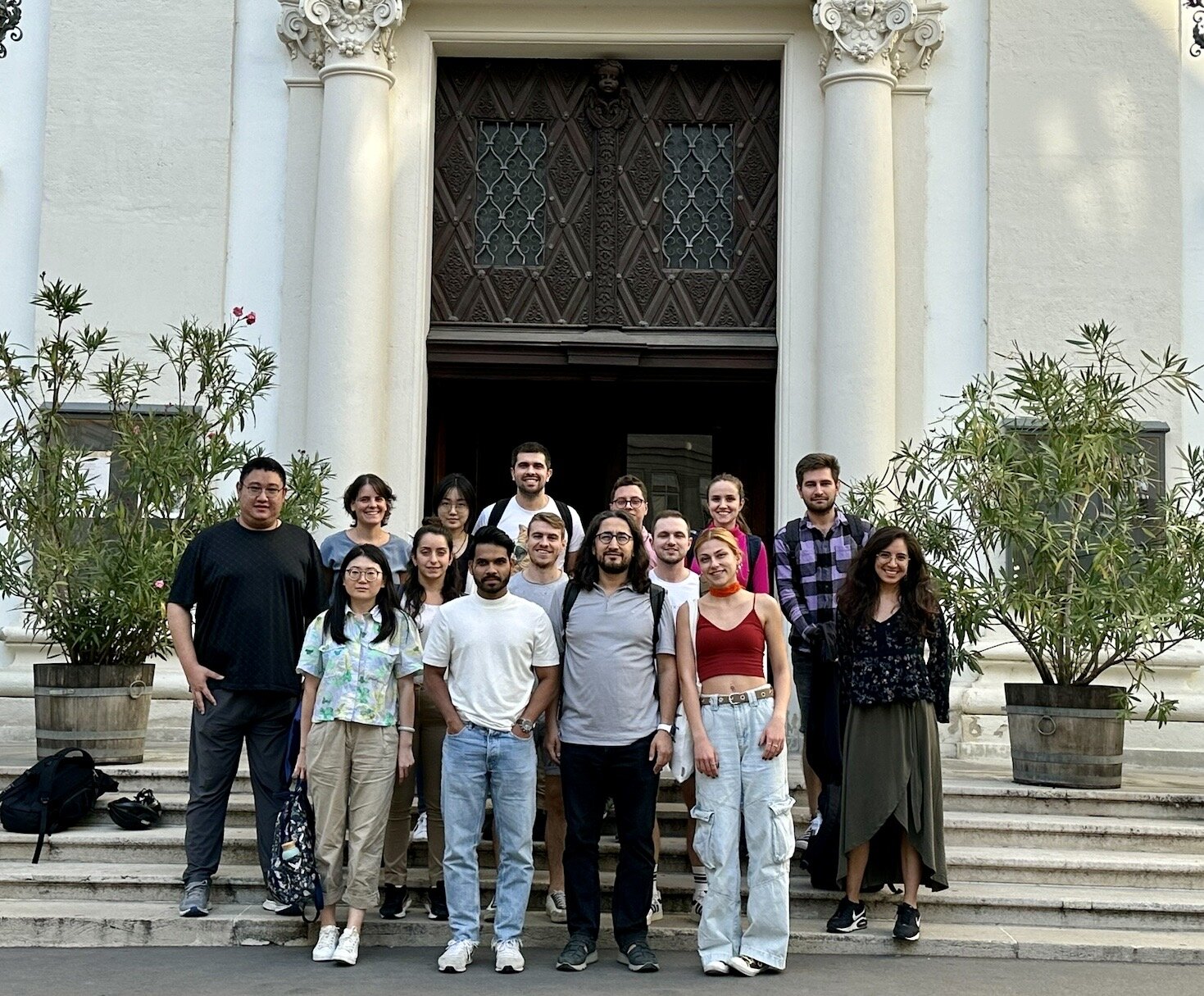
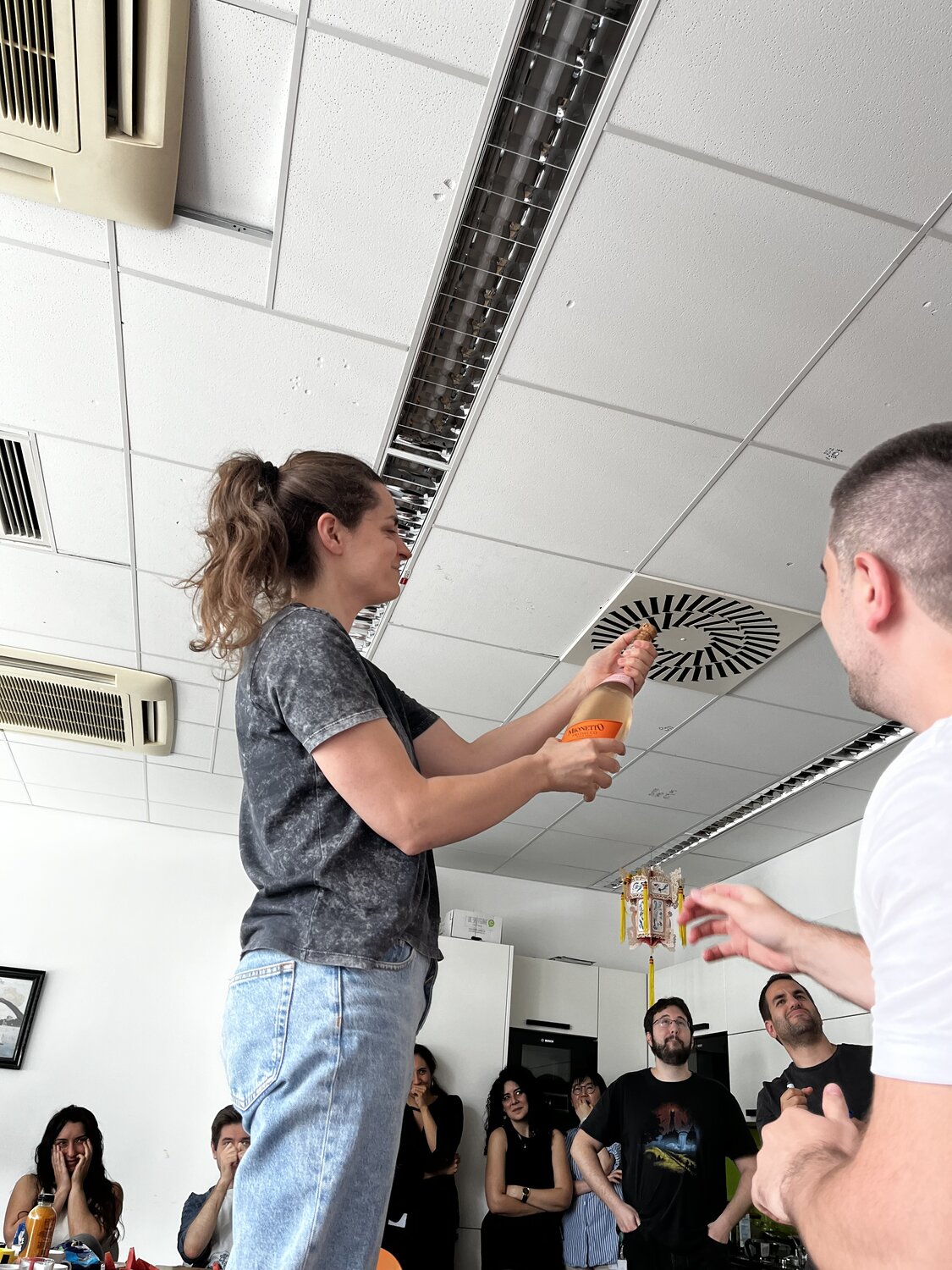
Retreats, dinners, holiday markets, and the occasional experiment in having fun. Tap any photo to enlarge.
Three commitments guide everything we do:
We're always interested in welcoming ambitious, curious people to the team. If you'd like to join us, take a look at our code of conduct and a few of our recent papers — then get in touch with Yasin with a short letter of intent and your CV.
Email Yasin →For collaborations, joining the lab, or media enquiries, reach out by email or visit us in Heidelberg.